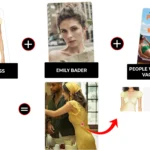
People We Meet on Vacation Emily Bader Long Sleeve Kimono
The kimono that Emily Bader is wearing in the People We Meet on Vacation gives the character a sense of calmness to its overall image. It seems to belong to the story and it does not seem out of place. The dress has been integrated smoothly into the environment and suggests a carefree mindset. The long sleeve kimono seems more of a lived in than a statement of fashion.
The low profile design allows the audience to concentrate on the emotion of Emily Bader instead of the clothes. The delicacy in the clothes makes the scenes more profound in the sense that character authenticity is natural and without any effort. This clothing decision conveys a narrative of the usual coziness against the modest sophistication, and improves the general realism of the character in the film realm.
The position of the long sleeve kimono on the body makes the scenes soft. It moves gently and this is made possible by its loose form which blends with the reflective tone of the story. It does not break emotional scenes or conversation. Rather it favors the slow walking and contemplative mood. This is a very subtle presence that lets the viewers remain concentrated on the emotional journey.
The movement of the cloth adds the small movements and gestures in the act, which adds a natural flow to the scenes that would otherwise be rather inactive. The loose and airy consistency of the garment would make movement appear to be effortless on the camera and therefore, interactions are realistic and more accessible. The kimono turns into an integral part of the silent expression of the character, which conveys his or her personality traits without any further dialogue and explanation.
The long sleeve kimono appearance of Emily Bader is grounded and believable. The clothing is as much a part of the surrounding and character lifestyle as it can be. This realism assists in the enforcement of emotional authenticity. The long sleeve kimono is integrated into the character visual identity as opposed to a standalone wardrobe. Such union enhances viewer engagement.
It is simple and, therefore, can be applicable in any scene, being suitable both in indoor and outdoor settings, in a regular conversation, and in emotionally charged moments. The clothing is a subtle demonstration of the life and individual preference, which suggests coziness and peaceful self confidence. The kimono helps to strengthen a feeling of realism and makes the audience emotionally attached to the character, which is the role that helps to bridge a gap between the fiction on the screen and the experience of the audience.
Visual Presence of the Long Sleeve Kimono on Screen
The Kimono long sleeve is visually soft and balances with the film setting. It has a flowing form forming a relaxing outline that complements lighting and scenery. The cloth does not dominate the frame. Rather it gives it balance and visual lightness. This harmony facilitates continuity of the scenes.
The light reflection of the material is soft, and it works with the light in a manner that does not distract or create dimension to the cinematography. The appearance of the garment is not dramatic, but instead it seems to be deliberate and not overly intricate to break up the story, yet it is always present. The kimono forms part of every frame even in motion and continues to do so, it has a natural flow and a the sense of elegance in terms of style.
The long sleeve kimono in wider shots does not get obtrusive. It has a loose form enabling it to flow with the personality. The texture of the fabric with intimate detail is employed in stiller moments. This flexibility enables the garment to work in various camera angles. The long sleeve kimono is aesthetically stable.
The quality of its capacity to retain the form and flow in a fluid manner, makes the character appear unified irrespective of the arrangement of the scenes. The presence of the garment helps lead the eyes of the audience where the facial expressions and interactions are presented in a subtle and indirect manner, which enables the garment to be a supporting part of the narrative and not the main feature. Kimono adds aesthetic rhythm to the movie without disrupting the immersion of the viewers.
Fabric Feel and Comfort of the Long Sleeve Kimono
The long sleeve kimono fabric is breathable and soft that is supportive in scenes. It is loose woven and therefore easily movable. This leeway aids in preservation of natural performance. It is cozy and it is unobtrusive. This is silent endorsement that is helpful to the portrait. The quality of the material makes the garment act in a predictable manner in various filming conditions, whether it is on the move, sitting and standing.
It has a soft texture which gives it a feeling of realism touch and this gives the audience an added touch to the character. The kimono enables the actor to concentrate on acting since its comfortable and easy nature means that acting is less mechanical.
The light is gently absorbed in the texture of the fabric. This avoids severe refraction and helps in the balance of the vision. The surface is smooth and polished. This regularity increases the realism.
The fine texture of the fabric will also be a good addition to the cinematography as it gives the audience a beautiful interaction with natural and artificial lighting sources. Smooth reflections on the satin like surface do not overpower the scene. The combination of this light and dark brings a sense of calmness to the visual image, which supports the subtle sophistication of the wardrobe decision.
Fit and Silhouette of the Long Sleeve Kimono
The long sleeve kimono is loosely styled with deliberateness. It is not clung to the body and this further contributes to its casualness. This casual figure is in favor of ease and naturalism. The clothes are free flowing. This transparency increases the visual flow. The loose fit also provides a layering chance that is very natural thus the kimono can be worn easily with other pieces of clothing without appearing heavy and clumsy.
The kimono allows the character to perform natural gestures, walks, or sit downs, which are utterly natural because of the freedom of movement. The silhouette conveys the message about the state of a rather composed self reference, and it is evident that the character values comfort but still retains a personal feeling of style.
Its sleeve design and length are what make it have an easy appearance. The long sleeves also give the outline softness. This percentage seems balanced in the setting of the story. The kimono is not centre of attention. It aids in the presence of characters in a soft manner.
The flowing nature of the sleeves attractively highlights the hands of the character when they make a gesture or pass along to the other character, and each gesture is graceful, but not made to seem performative. On the same note, the hemline of the kimono is structured in a manner that evenly distributes the aesthetic mass in the frame in favor of the harmonious composition in the wide shots. These structural decisions enable the garment to add more importance without emphasizing narrative parts.
Styling Integration Within the Story
The long sleeve kimono blends in with the styling of People We Meet on Vacation as a whole. It is in line with the tone of the story, which is easygoing and touching. The clothing is purposefully selected but low key. This is a balance that facilitates visual cohesion.
Its design replicates the thematic emphasis of its focus in intimacy and reflection in the film, which provides texture and depth to scenes without distraction. Such costume decisions as this kimono emphasize the character development, but at the same time, they do not break the overall visual picture, where even minor details can significantly increase the storytelling effect.
The accessories and layering are quite minimal and this allows the kimono to be natural. This restraint does not result in eye crowding. It is all about character interaction and emotion. The kimono long sleeve and the long sleeve kimono do not rival each other. This is simplicity which adds realism. Minor details, like a fine necklace, a scarf, or just plain sandals, do not take over the garment but match it. This considerate combination makes the wardrobe look realistic and worn out, in touch with the world of the character.
The kimono fits well in various settings and atmospheres. It is good when one is engaged in the silent pensive mood. This is flexible and contributes to its effectiveness. The long sleeve kimono is also used throughout the story. This consistency offers flow to the story. Be it on a casual trip, close discussions or in times of introspection, the design of the garment will make it to fit the situation and be emotionally supportive. Its existence gives some support to the narrative storyline and it provides continuity to the visual identity of the character.
Practical Versatility of the Long Sleeve Kimono
The long sleeve kimono is very versatile in terms of application in the story. It is also applicable in various situations and one does not feel out of place. This realism favors plausibility. The outfit is comfortable and not ritualistic.
This realistic simplicity makes it interesting. The versatile style of kimono is indicative of the practical use of wardrobes in the real world, where it is possible to be both utilitarian and fashionable and also tell a story at the same time. Its simplicity has enabled it to move with ease both inside and outside and casual to a little formal in the narrative.
The long sleeve kimono can be used in settings that are a notch lower thanks to the design. It suits the quiet and personal occasions. Such flexibility increases utility. The kimono helps to maintain scene transitions. This credibility enhances the unity of the narratives.
The kimono helps in ensuring that the audience can concentrate on the story development and not on the visual discrepancies because it offers them a uniform and versatile wardrobe choice. It is an adhesive force that connects various scenes and experiences of characters with the help of the clever costume design.
The cloth is also easy to relate to the real life. The audience is able to envision something of the same as a wear outside the screen. This relationship is one that cuts across fiction and reality. The long sleeve kimono is inviting. This is where relatability becomes an attractive factor. It is simple and comfortable to the extent of being easily imagined in the personal wardrobes creating a feeling of familiarity and aspiration to style. This association stimulates viewers to follow the aesthetic of the character mimicked in a subtle and natural way.
Emotional Presence and Character Connection
The long sleeve kimono helps to express emotions due to comfort and effortlessness. It also enables free movement and posture. It is emotional openness that comes out of this physical comfort. The clothing is not limiting expression. This is performance enhancing. The kimono is a silent partner in the telling of the story since it allows Emily Bader to move freely and become a gesture, as well as sit or walk without being stiff. The slight effect gives her an opportunity to embody the role to the fullest, expressing weakness, happiness, or reflectiveness without wardrobe intrusion.
The accustomedness of the kimono contributes to emotional backdrop. It is not well decorated but worn. It is this realism that enhances bondage. The clothes enter the character world. This assimilation enhances participation. The viewer can also clearly understand a feeling of continuity and reality when the kimono appears in a variety of locations across the movie. The character is believable and the wardrobe becomes her silent companion in her quest which echoes her mood and helps thematically back emotional lines.
Natural clothing helps to build confidence. This silent promise is provided by the long sleeve kimono. It enables the character to stay in the moment. Such confidence is subtle and genuine. The clothing endorses authenticity. The confidence expressed by clothing does not have to be explicit, but is reflected in the comfort the character feels in her own clothes, her relaxed movements, and the perception that she fits in the environment she is in. This natural presence is created by using the kimono.
Frequently Asked Questions About Long Sleeve Kimono
Q1: Why is the long sleeve kimono memorable in People We Meet on Vacation?
A: The long sleeve kimono blends naturally with the story tone and supports emotional realism through its relaxed design. Its subtle presence ensures the wardrobe enhances rather than competes with character expression.
Q2: Does the long sleeve kimono suit everyday wear?
A: Yes, its comfortable structure and simple style make it suitable for regular daily use. Its versatility allows it to be styled casually or for slightly dressier occasions without losing comfort.
Q3: What makes the long sleeve kimono effective on screen?
A: Its flowing fabric and calm silhouette enhance visual harmony without distracting from the story. The garment moves naturally, reflects light softly, and maintains a visually pleasing presence in every shot.
Q4: Is the long sleeve kimono comfortable for extended wear?
A: Yes, the breathable fabric and loose fit support ease of movement and long wear comfort. Its soft drape allows the character to perform naturally over multiple scenes without wardrobe adjustments.
Q5: How does the fit of a long sleeve kimono affect appearance?
A: The relaxed fit creates a natural silhouette that feels grounded and effortless. The kimono adapts to body movement without altering the character’s posture or gestures, supporting authenticity.
Q6: Can a long sleeve kimono be styled in different settings?
A: Yes, its adaptable design works well in calm, casual, and intimate environments. It can transition seamlessly from indoor reflection scenes to outdoor walking or travel moments.
Q7: Does the long sleeve kimono support character storytelling?
A: Yes, its understated presence enhances authenticity without pulling focus from performance. It becomes an extension of the character’s identity rather than a statement piece.
Q8: Why is the long sleeve kimono considered timeless?
A: Its simple structure and comfort focused design remain relevant over time. The kimono avoids trend driven elements, allowing it to retain visual appeal in years to come.
Q9: How should a long sleeve kimono be cared for?
A: Gentle washing and careful storage help maintain fabric quality and shape. Light ironing or steaming can keep the garment smooth and visually consistent for repeated use.
Q10: Can the long sleeve kimono be worn in different seasons?
A: Yes, it can be layered over tops or dresses for cooler weather, or worn alone in warmer conditions, offering seasonal flexibility.
Q11: Does the long sleeve kimono suit different body types?
A: Yes, the loose silhouette allows it to adapt naturally to various shapes. Its flowing design ensures comfort and flattering movement for most body types.
Q12: Why is simplicity important in costume design?
A: Simplicity keeps emotional focus on the character and story rather than clothing. It allows subtle wardrobe choices to support narrative themes without distraction.
Q13: What makes the long sleeve kimono relatable to viewers?
A: Its wearable design connects screen styling with real life comfort and ease. The garment feels practical, stylish, and authentic, encouraging viewer identification.
Conclusion
The long sleeve kimono worn by Emily Bader in People We Meet on Vacation is a masterful example of understated costume design that enhances character and story without demanding attention. Its relaxed fit, soft fabric, and flowing silhouette create a sense of calm and authenticity, allowing viewers to focus on the emotional journey rather than the wardrobe.
The kimono’s versatility, comfort, and natural integration into various settings make it both practical and aesthetically pleasing, reinforcing realism and continuity throughout the film. Beyond its visual appeal, the garment becomes a silent partner in storytelling, reflecting the character’s personality, mood, and confidence while supporting subtle gestures and interactions. Through simplicity and thoughtful design, the long sleeve kimono demonstrates how clothing can quietly elevate narrative depth, strengthen audience connection, and create a timeless, relatable presence on screen.